Regardless of the way you take a look at it, returns are an enormous headache for shops, producers, vendors and the warehouses dealing with the fallout.
They’re additionally a part of the price of doing trade in an international the place a undeniable massive on-line store nonetheless gives loose, simple returns on maximum purchases. Matching that ordinary hasn’t been simple, however the classes discovered, plus a fair proportion of bumps and bruises, are serving to corporations accelerate the returns procedure, lower prices and make all of it quite much less painful.
“Amazon has skilled the shopper to be expecting loose returns,” says Colin McAleenan, vp of selling and trade construction at Hai Robotics. “After 8 to ten years, consumers might pass in different places when you’re now not providing that. The query turns into, simply how a ways are you keen to increase that value of doing trade within the pastime of shopper delight?”
That’s a query extra corporations are brooding about as go back charges proceed to climb yr over yr. In keeping with Capital One, U.S. shops took again just about $850 billion in products remaining yr, double the 2020 general. The common go back fee is now 16% total, with on-line purchases averaging 25% (in comparison with about 9% for products purchased in shops).
Vacation returns run about 8% upper, including every other seasonal surge to the already dear and labor-intensive returns control procedure.
That flood of products flows directly again into warehouses, the place every merchandise must be won, inspected, reallocated, disposed of or bought via every other channel. Returns also are an untapped gross sales channel that can finish up in boxes in the back of the DC, looking forward to any individual to make a decision what to do with it.
For each pair of Levi’s denims returned as a result of a sizing factor (without a harm or put on), there’s a buyer in the market who’d purchase them in the event that they had been in inventory and able to send or clutch off the shop shelf.
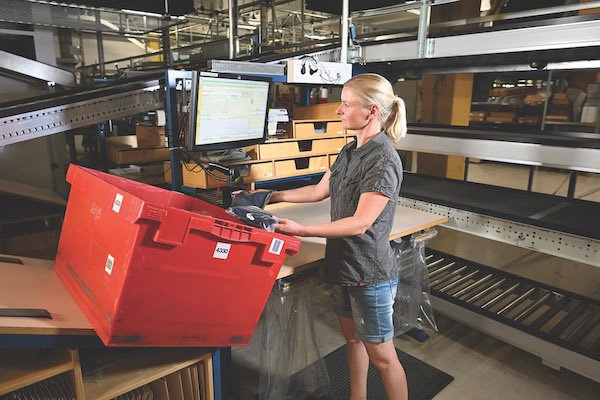
“Returns are a large drawback for shops as a result of there’s no unmarried proper approach to care for them, and step one continues to be extremely labor-intensive,” says Kim Baudry, marketplace construction director at Dematic. “Any individual nonetheless has to check out each merchandise and make a decision whether or not it could possibly return into stock, wishes restore or must be repackaged.”
Carving a trail to raised returns control
Opposite logistics could also be a essential evil in lately’s promoting surroundings, however all that returned products doesn’t must take over the warehouse, languish because it loses cost or finish up in a landfill.
Listed here are 9 highest practices you’ll use to get the ones items processed, routed, disposed of correctly or put again into the gross sales channel sooner.
1. Glance past the go back label and calculate what every merchandise truly prices. Robyn Meyer, senior vp of parcel technique and answers at Transportation Perception, tells corporations to rely the go back freight, dealing with, processing, stock loss and ultimate disposition cost earlier than deciding the place an merchandise will have to pass.
“It’s now not simply the price to return again,” Meyer says. As an example, a product that value $8 to send out might value greater than $8 to carry again, then require every other spherical of dealing with earlier than it may be bought once more. Harm, lacking packaging or indicators of use can lower its cost even additional.
Get started via calculating the whole value for every product class, then examine that determine with the thing’s final margin and resale cost. From there, make a decision which provider, carrier stage and go back location take advantage of monetary sense. “Some items might return personally,” says Meyer, “whilst others can also be consolidated via a spouse or returned to a shop.”
2. Make a choice the go back direction that is smart for the product. Consumers might print a label for a provider pickup, drop the package deal at a UPS location or take it to a retail spouse comparable to Kohl’s or OfficeMax.
“Take a look at how every go back possibility affects the product’s margin earlier than deciding on a direction,” says Meyer. Industry intelligence (BI) equipment can lend a hand solution a few of the ones questions.
Key questions to invite are: The place are we seeing probably the most returns? What’s riding the ones returns? Are there sure consumers that power nearly all of them?
Use the ones solutions to create other routes via product sort, go back explanation why and site. A high-value merchandise can pass at once to a third-party supplier for inspection and refurbishment. Decrease-value items could also be consolidated earlier than cargo, whilst retailer returns might be offering the least dear possibility for purchasers who are living within sight.
3. Use root motive research to move off the following go back. As with anything else in trade, discovering the basis motive (on this case, what’s inflicting the go back within the first position) can lend a hand stem the opposite product go with the flow. Perhaps the improper merchandise used to be picked, the stock document used to be erroneous or the product didn’t fit its on-line description. Pinpoint the ones breakdowns, and you’ll repair them earlier than the similar drawback generates every other go back.
Get started via figuring out the place success mistakes occur around the community, together with DC choosing, packing and retailer success. Then use scanning, verification tool or computerized choosing programs to catch the ones errors earlier than cargo.
“The extra computerized the operation is,” says Baudry, “the fewer most likely it’s that incorrect stock will depart the development.”
4. Lend a hand them take a look at it on first. Clothes sizing charts aren’t all the time correct, colours glance other on a display screen and consumers might order a couple of other sizes understanding some should return. This gifts a big returns problem for attire dealers. McAleenan says corporations can take on the issue upstream via serving to consumers make higher alternatives earlier than they purchase.
“The query is, how do you forestall other people from purchasing a couple of pieces within the first position?” he asks. “Or, how are you able to constitute the thing extra appropriately to cut back the possibilities that they order two and go back one?” Synthetic intelligence and augmented fact equipment can lend a hand right here. They let consumers add a photograph and notice how a get dressed, hat or different merchandise might glance on them.
“Higher product footage, extra correct colour illustration and detailed sizing knowledge too can lower avoidable returns,” says McAleenan.
5. Stay returned products from disappearing into the gadget. Outbound orders are tracked just about each step of the best way, however returns can disappear someplace between the buyer and the receiving dock.
“Maximum groups can let you know precisely the place an outbound package deal is at any second,” says Travis Rimel, leader product officer at ShipStation World, “however ask them the place a returned merchandise stands and also you get a shrug.” Upload disconnected programs, guide knowledge access and no constant approval procedure, and also you get “a recipe for misplaced stock, gradual refunds and a beef up crew drowning in standing replace calls.”
Rimel says corporations are responding via preventing the “simply refund it” reflex and development returns into the buyer adventure. That begins with giving returned pieces the similar visibility as outbound orders. “We’re seeing manufacturers centralize returns knowledge along their delivery knowledge,” he explains, “so a go back isn’t a thriller field that presentations up on a dock someplace.”
6. Automate the handoffs the place returns get caught. At maximum corporations, the returns procedure works like this: Any individual emails a label, any individual else updates a spreadsheet and a 3rd individual tries to reconcile what got here again. “That hole between ‘buyer needs to go back one thing’ and ‘warehouse has processed it’ is the place cash quietly leaks out,” says Rimel, “whether or not that’s group of workers hours, slower stock restoration or refunds issued for pieces that by no means even shipped again.”
Automation can take away one of the guide grunt paintings from the method, from producing labels to updating go back statuses to routing approvals. That method, groups don’t have to the touch each request via hand. Firms also are the usage of AI to are expecting which returns could also be fraudulent or violate coverage.
7. Lay down the foundations earlier than returns arrive. Don’t watch for the returns to begin piling up earlier than environment your returns coverage. Meyer recommends growing trade regulations that inform workers what occurs subsequent according to the thing’s cost, situation and go back explanation why.
“For an merchandise below $20, it will make extra sense to factor a returnless refund,” she says. “An merchandise over $20 with its tags connected might pass directly again into stock, whilst one with out tags might require a purposeful inspection.”
Embed the ones directions proper at the go back label or within the portal so workers can direct the thing to the suitable bin as quickly because it arrives. “When it comes again into your DC, you’ll simply throw it in boxes, understanding precisely what you’re going to do with it,” Meyer says. And one ultimate tip: Standardized go back explanation why codes additionally give corporations constant knowledge on sizing issues, harm, buyer dissatisfaction and different reasons.
8. Give returned stock a greater shot at being resold. Firms ceaselessly divide returned items lightly around the community or mechanically ship them again to their authentic location. As a substitute, take a look at the place call for exists and direction every merchandise accordingly. As an example, an merchandise sitting untouched in a single facility might promote temporarily from every other location.
“If a product isn’t transferring or it’s taking over precious area within the DC, possibly it simply doesn’t belong there,” says Baudry.
The purpose this is to prevent treating each go back the similar. Take a look at what’s promoting throughout your DCs, shops and success issues, then ship the thing the place it has the most efficient probability of having again right into a buyer’s palms. You’ll additionally use tool to trace stock around the community and flag merchandise which were sitting too lengthy.
9. Put pouch sorters at the returns activity. Give the ones overhead conveyors every other task: transferring attire returns again into stock or directly to an open order. After an affiliate inspects and rebags an merchandise, a conveyor drops it right into a pouch that travels overhead to its subsequent vacation spot.
“It may pass proper again to a packing station as a result of that merchandise used to be wanted for an order,” says McAleenan.
The gadget can direction the thing again to an automatic garage and retrieval gadget or every other garage space. As a result of every pouch carries one merchandise, returned attire remains separated and identifiable because it travels in the course of the DC. Position induction issues close to inspection stations, McAleenan recommends, then attach the pouch sorter to stock and order knowledge so sellable returns can also be routed with out every other spherical of guide dealing with.