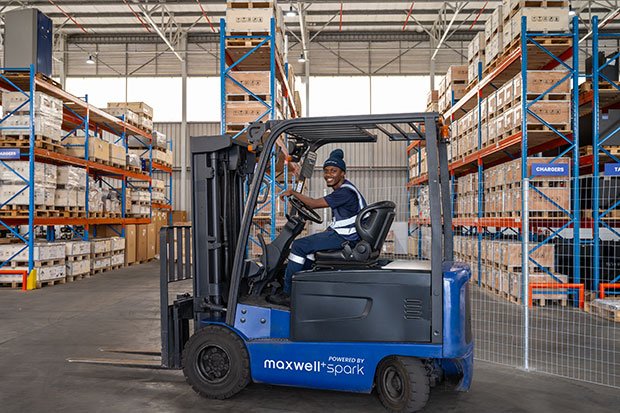
Stroll into a hectic distribution centre mid-shift and the stress is tangible. Forklifts are shifting continuously. Orders are stacking up. Supervisors are looking at the clock. There may be little or no margin for friction.
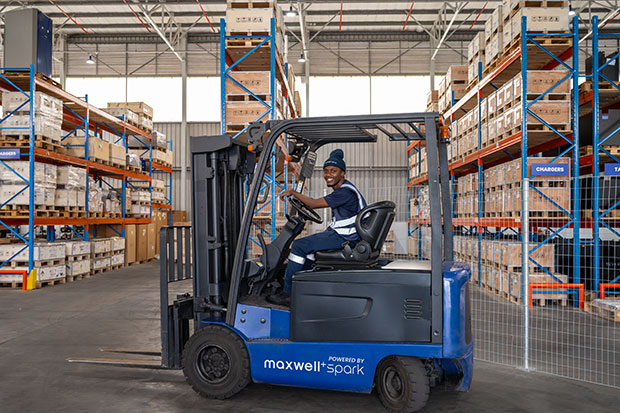
When one thing slows down, it’s hardly dramatic. A forklift that feels slow midway throughout the shift. A queue forming on the chargers. An operator looking forward to a battery change. A repairs take a look at that are meant to have took place the previous day.
Forklift efficiency is generally judged at the truck itself — raise capability, ergonomics and manoeuvrability. However at the warehouse ground, reliability is incessantly made up our minds by means of one thing much less visual: the ability gadget.
Telemetry knowledge gathered throughout maxwell+spark’s purpose.li lithium-ion fleet — representing greater than 13 million discharge hours — gives a grounded view of what “commonplace” looks as if. On reasonable, batteries are actively discharging for greater than six hours in step with day. Charging accounts for a fairly small percentage of lively time, incessantly beneath 20 %. In apply, this implies charging is built-in into herbal workflow pauses quite than dictating them.
For operators, that distinction issues. When forklifts carry out persistently from the primary hour of the shift to the remaining, raise speeds stay solid and commute efficiency doesn’t fade. When charging occurs right through breaks quite than thru deliberate battery swaps, vans keep at the ground the place they’re wanted.
Upkeep groups see the trade too. Fewer regimen interventions. No watering schedules. Fewer dealing with steps. Much less time managing batteries and extra time supporting the operation.
As an business lithium-ion producer supplying subject material dealing with fleets, maxwell+spark has noticed a shift in how operators take into accounts energy. Batteries are not handled as consumables that should be controlled; they’re an increasing number of considered as long-term property. Designed for prolonged carrier existence, purpose.li methods are engineered to ship solid output throughout difficult responsibility cycles and, in lots of instances, to out survive the vans they energy.
Increasingly more, that reliability is supported by means of knowledge. Fleet-level telemetry supplies visibility into responsibility cycles, charging behaviour and utilisation patterns, permitting operators to devise proactively quite than reactively. Energy methods grow to be measurable, manageable portions of the operation — now not background variables.
In high-pressure warehouse environments, reliability is cumulative. It’s constructed from 1000’s of small, uninterrupted movements. Forklifts, operators and structure all play their section, however with out solid, predictable energy underneath them, the rhythm falters.
Energy technique is not peripheral to fleet making plans. In sensible phrases, a forklift fleet is handiest as dependable as its energy supply.
www.maxwellandspark.com